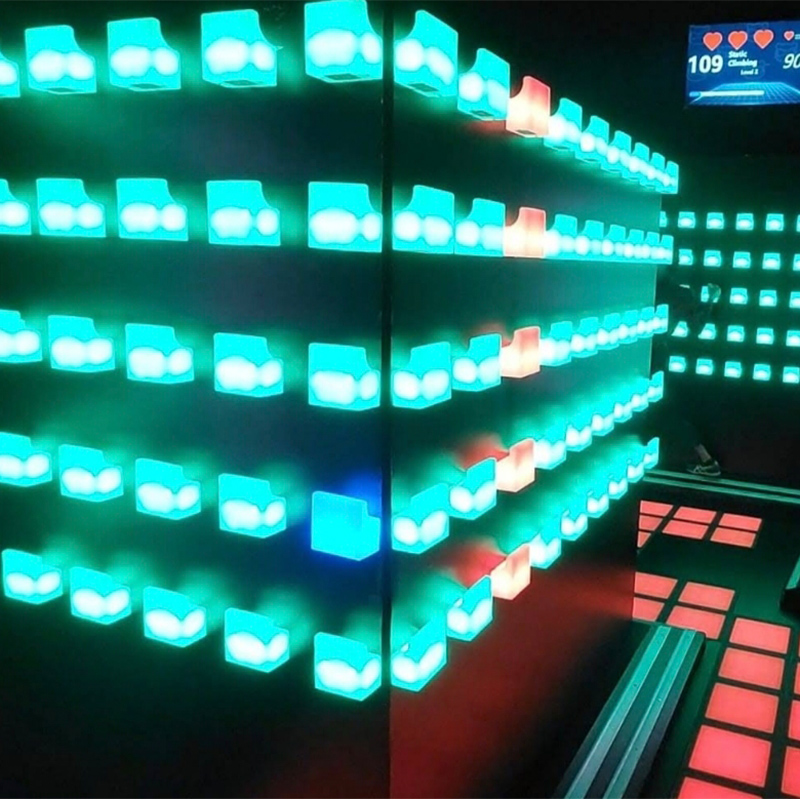
The fitness gaming industry is entering a transformative era as we approach 2025, with leading suppliers pushing boundaries that blur the line between virtual entertainment and physical transformation. Exergaming—once a niche market dominated by basic motion controls—has evolved into a sophisticated ecosystem of immersive technologies, AI-driven personalization, and social connectivity that rivals traditional gym experiences. This comprehensive analysis explores the top trends shaping the future of active gaming and what consumers can expect from the industry’s most innovative suppliers.
AI-Powered Personal Training Becomes Standard
Artificial intelligence has moved beyond simple rep counting to become the backbone of modern exergaming platforms. Top suppliers like Nintendo, Meta, and emerging players such as Quell and Playpulse are implementing machine learning algorithms that analyze movement patterns, biomechanics, and performance data in real-time. These systems create dynamic workout programs that adapt instantaneously to user fatigue levels, form corrections, and progression rates.
Unlike pre-recorded fitness classes, 2025’s AI trainers generate unlimited variations of exercises tailored to individual body types, injury histories, and specific goals. The technology can detect subtle form deviations through advanced computer vision, providing corrective feedback with precision that rivals human personal trainers. Leading suppliers are integrating this capability directly into their hardware, with haptic feedback systems that guide proper movement through tactile cues.
Haptic Technology Creates True Immersion
The next generation of exergaming equipment incorporates full-body haptic suits and adaptive resistance systems that revolutionize how users interact with virtual environments. Suppliers are launching gaming peripherals that simulate impact, tension, and environmental conditions—making a virtual boxing match feel physically authentic or a climbing simulation provide genuine resistance.
Tactsuit and bHaptics are partnering with major fitness gaming developers to create vests that deliver location-specific feedback during gameplay. When a virtual ball strikes your chest or you crash through a digital barrier, you feel it. This tactile dimension transforms exergaming from a visual-motor task into a complete sensory experience, dramatically increasing engagement and calorie expenditure. Expect leading suppliers to bundle these haptic systems with subscription services that unlock progressively challenging content.
Metaverse Integration and Social Fitness Worlds
2025 marks the year exergaming becomes truly social at scale. Fitness gaming suppliers are no longer building isolated apps but interconnected virtual worlds where users can compete, cooperate, and socialize. Meta’s continued development of Horizon Worlds, combined with specialized platforms like Supernatural and FitXR, creates persistent fitness metaverses where daily workouts become social events.
These platforms feature virtual gyms where friends spot each other, group challenges that span continents, and competitive leagues with professional-level production values. Leading suppliers are implementing cross-platform compatibility, allowing users on different hardware systems to work out together seamlessly. The social layer includes integrated streaming, spectator modes, and digital fitness coaches who host live classes in virtual spaces that defy physical limitations—imagine cycling through a neon-lit futuristic city or practicing yoga on a floating platform above Mars.
Biometric Integration and Health Data Synthesis
Wearable integration has evolved from simple heart rate monitoring to comprehensive biometric ecosystems. Leading exergaming suppliers now sync with continuous glucose monitors, sleep trackers, stress sensors, and hydration monitors to create a 360-degree view of user health. This data converges in gaming dashboards that adjust difficulty not just based on performance, but on recovery status, energy levels, and overall wellness metrics.
Companies like Garmin and Apple are opening their health APIs to gaming partners, enabling real-time workout modifications based on morning readiness scores and sleep quality. The gamification extends beyond the workout itself—users earn recovery points for proper sleep, nutrition tracking becomes a quest system, and stress management transforms into breathing mini-games. This holistic approach positions exergaming suppliers as legitimate health technology companies, not just entertainment providers.
VR/AR Hybrid Systems for Spatial Freedom
Standalone VR headsets have solved the tethered cable problem, but 2025’s innovation lies in hybrid AR/VR systems that seamlessly blend digital and physical spaces. Suppliers are launching headsets with passthrough technology so advanced that users can transition from a fully virtual environment to an augmented reality where digital elements enhance their actual living room.
This technology solves safety concerns and space limitations that have hindered VR fitness adoption. Users can now see their real-world obstacles while engaging with virtual content, enabling high-intensity movement in small apartments. Leading suppliers like Pico and Meta are developing spatial mapping that turns any room into a custom obstacle course or yoga studio, with digital overlays providing form guidance that appears to be painted on the user’s reflection.
Subscription Models Evolve into Fitness Operating Systems
The SaaS (Software as a Service) model has consumed the exergaming hardware market, with leading suppliers positioning their platforms as comprehensive fitness operating systems. Instead of buying individual games, users subscribe to ecosystems that offer unlimited content libraries, AI coaching, social features, and hardware integrations.
Peloton’s model has influenced the entire industry—expect suppliers like Liteboxer and Ergatta to offer tiered subscriptions where premium levels include nutrition planning, community challenges, and virtual personal training sessions. The hardware becomes a gateway, often sold at cost or bundled with long-term commitments. This shift ensures continuous revenue for suppliers while providing users with constantly refreshed content that eliminates workout boredom.
Gamification Reaches Psychological Mastery
Understanding that motivation fluctuates, leading exergaming suppliers have employed behavioral psychologists to engineer reward systems that maintain long-term engagement. The simple badge-and-leaderboard approach has evolved into narrative-driven campaigns where fitness progression unlocks story chapters, character development, and world-building elements.
Rogue-like elements appear in fitness RPGs where each workout is a “run” that builds permanent character stats. Social accountability features include pledge systems where missing workouts costs in-game currency or affects team rankings. Suppliers are implementing “effort-based” rather than “performance-based” rewards, ensuring beginners feel as accomplished as athletes. This psychological sophistication makes 2025’s exergames genuinely addictive in positive ways, with retention rates that traditional fitness apps cannot match.
Corporate Wellness and B2B Market Explosion
Exergaming suppliers are aggressively targeting the corporate wellness market, recognizing that remote work has eliminated office gyms for many companies. Leading suppliers now offer enterprise packages that include team challenges, manager dashboards tracking aggregate wellness metrics (anonymized), and virtual team-building workouts.
This B2B pivot includes white-label solutions where companies can brand their own fitness gaming portals. Suppliers provide API access for integration with corporate health platforms and insurance providers, potentially reducing premiums for active employees. The gamification extends to department-vs-department competitions with company-sponsored rewards, transforming workplace wellness from a perk into a culture-building tool.
Sustainability and Eco-Gaming Initiatives
Environmental consciousness has reached exergaming hardware design. Leading suppliers are launching equipment made from recycled materials, energy-harvesting systems that convert workout energy into electricity, and carbon-neutral manufacturing processes. The gamification includes “eco-points” for workouts that generate clean energy, with leaderboards tracking collective environmental impact.
This trend resonates strongly with younger demographics who demand corporate responsibility. Suppliers like SportsArt and EnerGym are creating exercise bikes and ellipticals that return power to the grid, with in-game rewards scaling based on energy generated. The narrative framing transforms each workout into an environmental mission, adding purpose-driven motivation to physical activity.
Accessibility and Adaptive Gaming for All Abilities
Inclusion has become a competitive differentiator among top suppliers. 2025’s exergaming platforms feature comprehensive accessibility options—voice controls for mobility-impaired users, visual cues for hearing-impaired players, and adaptive difficulty systems for cognitive or developmental differences. Leading suppliers are partnering with occupational therapists to create seated workout versions of popular games and strength-building programs for seniors.
AI-driven modifications can transform any game into an accessible experience, automatically generating alternative movement patterns that deliver equivalent benefits. This democratization opens the exergaming market to millions previously excluded from fitness gaming, with suppliers recognizing that accessibility features improve experiences for all users.
Hardware Convergence and All-in-One Solutions
The fragmentation of fitness gadgets is collapsing into integrated solutions. Leading suppliers are developing all-in-one stations that combine cardio, strength training, and gaming in single footprints. These systems use digital weight systems, reconfigurable components, and AI coaching to replace entire home gyms.
Tonal and Tempo pioneered digital weights, but 2025’s iterations include full gaming integration where resistance changes based on narrative events. Expect suppliers to launch modular systems starting with a base unit that expands with attachments for different exercise modalities, all controlled through unified gaming software that tracks total-body progression.
Regulatory Approval and Medical Integration
Exergaming is crossing into medical territory, with suppliers seeking FDA approval for digital therapeutics. Leading companies are conducting clinical trials to validate their platforms for conditions like obesity, diabetes, and rehabilitation. This medical credibility opens insurance reimbursement pathways and partnerships with healthcare providers.
Suppliers are building HIPAA-compliant versions of their platforms for clinical settings, with data export capabilities for physicians. The gamification follows medical protocols, turning physical therapy homework into engaging challenges with progress tracking that integrates directly into electronic health records. This trend positions leading fitness gaming suppliers as legitimate healthcare technology vendors, not consumer electronics companies.
The exergaming landscape of 2025 represents a convergence of cutting-edge technology, sophisticated behavioral science, and genuine health outcomes. Leading suppliers are no longer competing on novelty but on measurable results, community building, and integration into holistic wellness lifestyles. As hardware becomes more immersive, software more intelligent, and communities more connected, exergaming is poised to become the dominant form of home fitness for millions worldwide. The question is no longer whether exergaming works, but which supplier’s ecosystem aligns best with your personal fitness journey.