Meta Description: Discover how active play equipment is transforming entertainment venues worldwide. Learn about LED grid floors, motion sensors, and why this $1.4B industry is growing fast.
What Is Active Play Equipment?
Active play equipment refers to interactive entertainment systems that combine physical movement with cutting-edge technology. Unlike traditional arcade machines where players sit passively, this equipment gets people moving, jumping, and engaging their whole bodies.
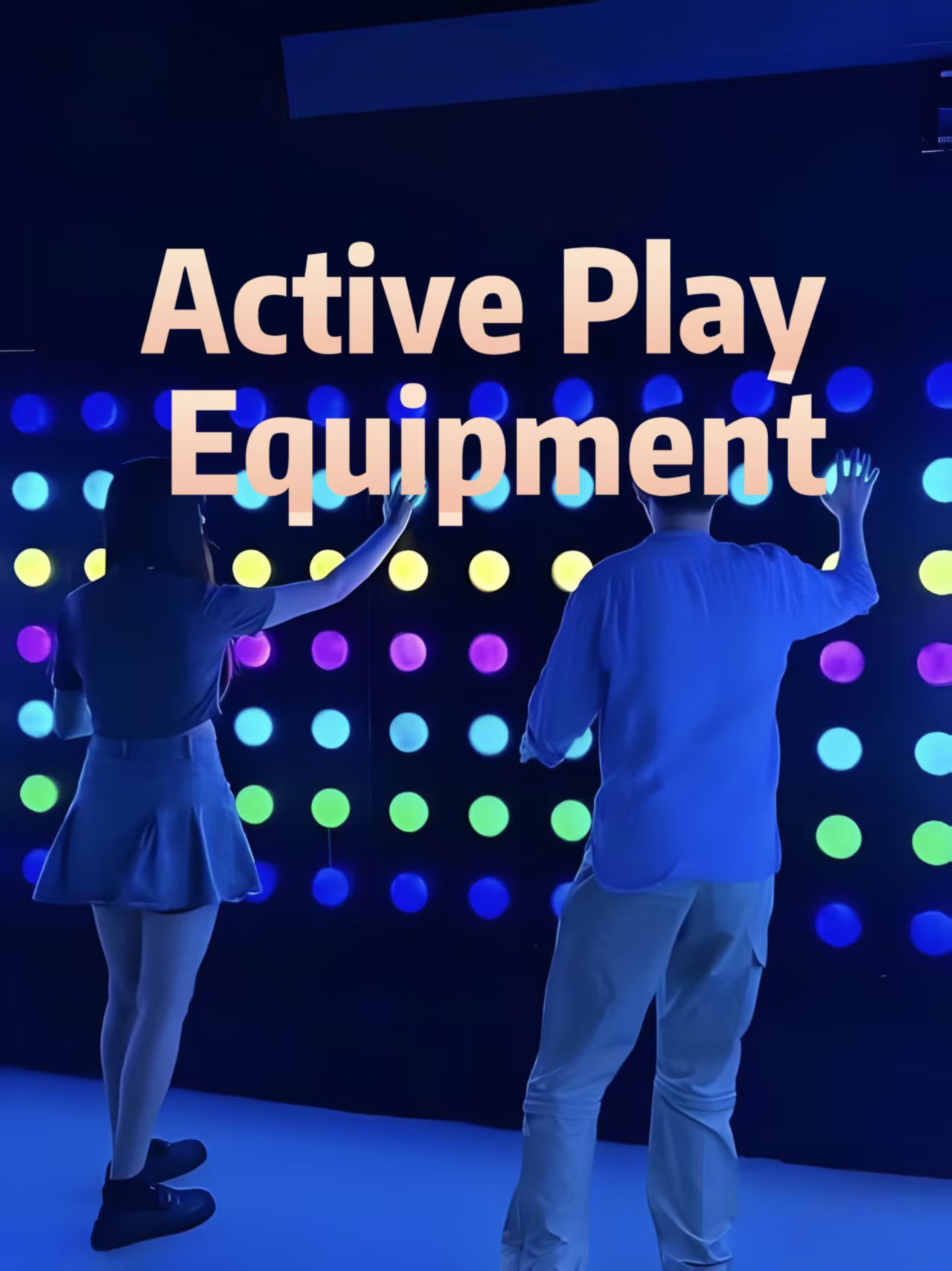
Popular examples include LED grid floors that react to foot pressure, laser maze challenge rooms, motion-sensor climbing walls, and RFID-enabled competitive games. These systems transform ordinary spaces into immersive experiences where players become the controllers.
Why the Market Is Booming
The global active entertainment market is projected to reach $1.4 billion by 2028. Several factors drive this growth:
Health-conscious entertainment: Parents increasingly prefer activities that get children exercising while having fun. Active play equipment burns calories, improves coordination, and reduces screen time guilt.
Social experience demand: After years of isolation, people crave in-person activities. Active play creates memorable group experiences perfect for birthdays, corporate events, and family outings.
Instagram-worthy moments: Venues with glowing LED floors and dynamic lighting attract social media shares, providing free marketing.
Key Types of Active Play Equipment
LED Interactive Floors: Pressure-sensitive tiles that change colors, create games, and track scores. Ideal for competitive team challenges.
Motion Sensor Rooms: Infrared cameras detect body movement, enabling gesture-controlled games without physical controllers.
Climbing and Obstacle Systems: Augmented climbing walls project interactive graphics, turning physical challenges into video game-like experiences.
RFID Tracking Systems: Wristbands automatically record player scores, progress, and achievements across multiple game stations.
Benefits for Venue Owners
Higher revenue per customer: Active play sessions typically cost $15-25 per person, compared to $1-2 for traditional arcade credits.
Longer dwell times: Groups spend 60-90 minutes completing multiple challenges, increasing food and beverage sales.
Repeat visits: Progress tracking and achievement systems encourage customers to return and beat personal records.
Lower maintenance costs: No coin mechanisms, ticket printers, or mechanical parts that frequently break.
Getting Started
For entrepreneurs considering this market, starting small is viable. Many operators begin with 3-5 game rooms using leased or refurbished equipment, investing $30,000-70,000 rather than $150,000+ for full arcade setups.
Partnering with existing family entertainment centers, gyms, or community centers reduces real estate risk while validating demand.
Conclusion
Active play equipment represents more than a trend—it’s a fundamental shift toward experience-based entertainment. By merging physical activity with gamification technology, these systems meet modern demands for healthy, social, and shareable experiences.
For investors and venue operators, early entry into this growing market offers significant advantages before saturation occurs.
Ready to explore active play equipment for your venue? Contact us for a free consultation on the best systems for your space and budget.
Active Play Equipment: The Future of Interactive Entertainment